The Wind Cave area in South Dakota has been protected since 1903, when it became a national park. It is famed among geologists and spelunkers (known as potholers in the UK) as the world’s fifth longest cave system, and known for its formations.
Regarded as sacred by American Indians, the cave was not found by settlers until 1881, when brothers Jesse and Tom Bingham heard a loud whistling noise. The sound led them to a small hole in the ground, the cave’s only natural opening. A wind was said to blow with such force out of the hole that it knocked Jesse’s hat off. That wind, which gave the cave its name, is created by differences between atmospheric pressure in the cave and the outside.
It was left to later adventurers like Alvin McDonald to follow the wind and discover the cave’s extensive network of passageways containing rare formations and other, delicate, irreplaceable features.
Young Alvin and others who explored the cave before 1900 were fascinated by what they found: chocolate-coloured crystals, formations resembling faces or animals. Reports of these discoveries drew a stream of curious visitors to the cave. Local entrepreneurs, blasted open passages and guided tourists through the cave for a fee. Today, the cave’s fragile and complex geological system is protected.

The grate-like structure called “boxwork” which you see on the ceilings throughout the cave. It was stunningly beautiful and so delicate.

A geological formation known as “popcorn” is found in many parts of the cave.
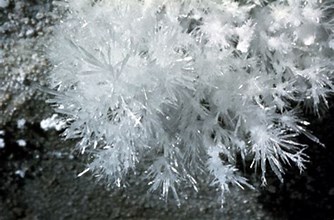
A very delicate formation known as “frostwork.”
 The Blogging Brit